BIC Investigation Reveals $1.2 Billion Belarusian Weapons Supply Network
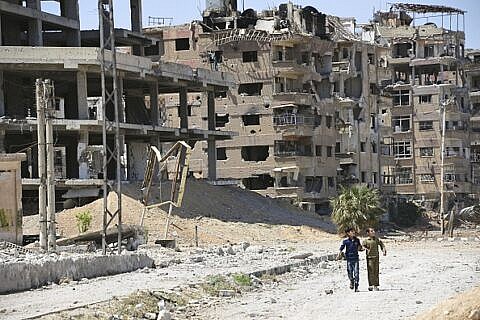
FOR IMMEDIATE RELEASE — On November 16, 2025, Russian artillery struck Nikopol, Ukraine, killing Yevhenii, a husband and father who lived in the city. His death, like those of more than 15,000 Ukrainian civilians killed since Russia’s full-scale invasion on February 24, 2022, resulted directly from Russian aggression – sustained by the supply networks fueling its weapons production.
The Belarusian Investigative Center (BIC), a C4ADS partner, has released a new investigation into the critical role Belarusian businesses play in these supply chains. The investigation was produced in cooperation with Ukrainian outlet Slidstvo.Info and with the support of independent Belarusian organizations CyberPartisans and Rabochy Rukh.
BIC found that 58 Belarusian enterprises supplied 41 Russian arms manufacturers with more than US$1.2 billion in goods between February 2022 and August 2025. That trade has accelerated as Russia’s full-scale war grinds on, with shipment values doubling from 2022 to 2024. The majority of the identified suppliers have ties to the Belarusian state, suggesting coordinated state support for Russian aggression. Despite this, BIC found that only 29 of the 58 Belarusian suppliers face Western sanctions. The investigation also found that the supply chains run in both directions. Belarusian suppliers, in turn, receive Western-origin components from Russia, likely to help sustain their production capacity.
Drawing on Ukrainian intelligence sources and academic expertise, BIC’s analysis identifies how the Belarusian companies fill critical gaps in Russian production, supplying equipment such as chassis for military vehicles, optoelectronic systems for targeting and reconnaissance, and other electronic components for weapons systems.
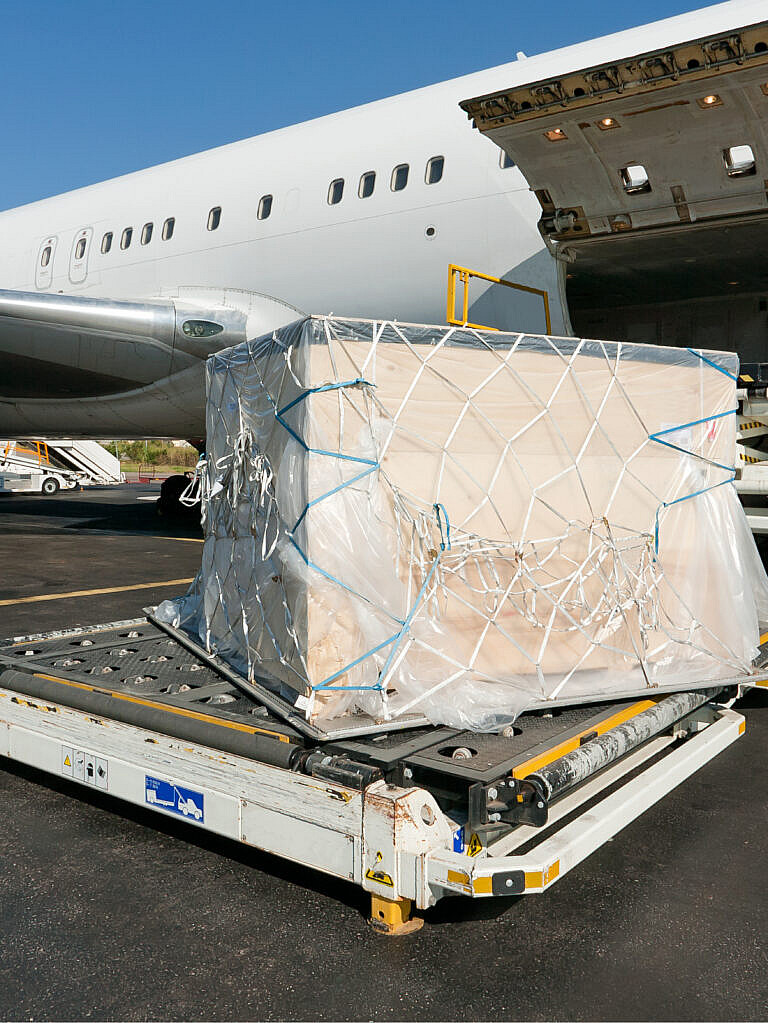
Shipment network of JSC Peleng (AAT Peleng), a sanctioned Belarusian optoelectronic equipment producer, to Russian arms manufacturers, in February 2022-August 2025. JSC Peleng shipped more than US$875 million in goods over the period – the highest volume of any supplier in the dataset – including targeting and reconnaissance systems used in tanks and other military vehicles. Chart based on BIC data.
Although global attention has focused on other supply chains sustaining Russian production – including in C4ADS’s previous investigations into the diversion of weapons and components to Russia – Belarus has quietly remained indispensable to Russian arms production. BIC’s investigation exposes this understudied supply relationship and reveals sanctions gaps the West has yet to close.
Although sanctions alone likely cannot halt supply flows, research shows they impose real costs, adding expense and time to procurement. The goods Belarusian enterprises supply are not commodities Russia can easily replace. Cutting off Belarusian components would force costly, time-consuming supply chain reorganization, disrupting testing, training, and production schedules.
Closing sanctions gaps and sustaining economic and diplomatic pressure on Belarus remains a key lever for disrupting Russia’s ability to continue its illegal war against Ukraine. Every unsanctioned supplier in this network represents a failure of accountability that continues to cost lives.
For additional information about our illicit weapons trafficking or Russia portfolios, please visit the relevant initiative pages on our website or reach out to us directly at [email protected]. For any related media inquiries, please email [email protected].