Holding the Line
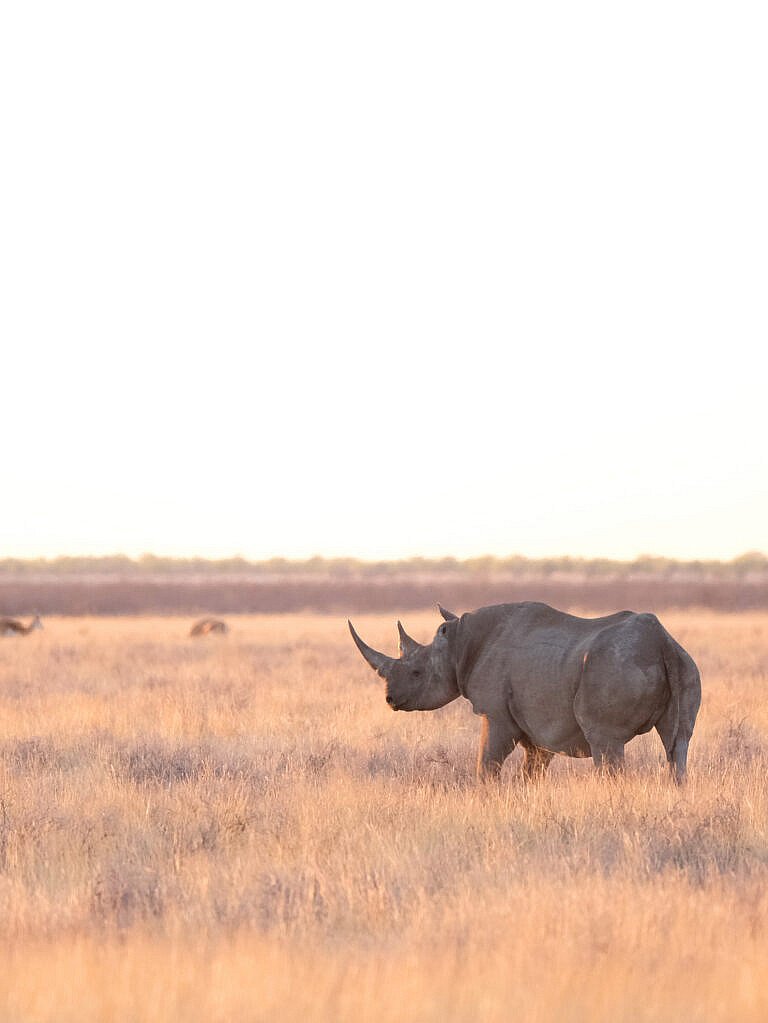
Only a few years ago, tens of thousands of elephants were being poached across the African continent. Global attention and a quiet coalition of organizations on the ground sprang into action bringing poaching and trafficking down to historical levels. Today, that media attention has faded, and funding has tightened putting all those gains at risk. 2026 suddenly looks different after years of declining seizures: the biggest ivory seizures in years, rising rhino horn trafficking, and new routes. Now is the moment to increase the pressure. This post kicks off a series of blogs taking you inside C4ADS’ counter-wildlife trafficking work – our approach, the patterns we’re seeing, and where the opportunities for real impact lie.
As recently as 2019, Malawi was effectively a clearinghouse for illicit wildlife products. Elephant ivory, rhino horn, hippo teeth, pangolin scales, and more transited through the country on the way to black markets East and Southeast Asia. Today, though, most wildlife traffickers actively avoid routing shipments through Malawi.
What changed?
A powerful partnership between local nongovernmental organizations and Malawian law enforcement, drawing on analysis from C4ADS and other international organizations, made it possible to uncover the complex logistics networks that trafficking organizations used to move illicit products through the country, and disrupt them.
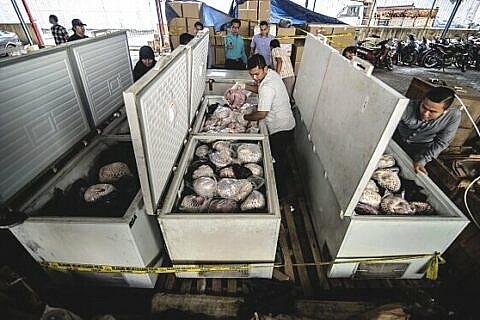
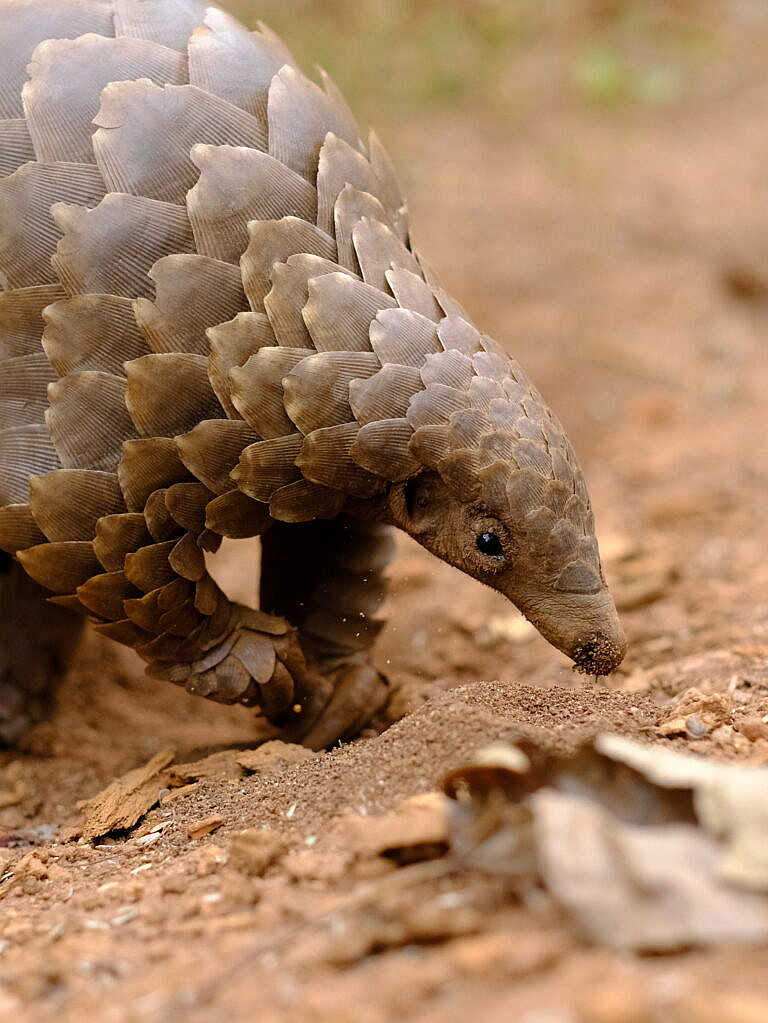
Yunhua Lin, a Chinese national, was one of the major players in the trade. He ran a loosely connected network that gathered ivory from across Africa and packaged it for shipment overseas. In early 2019, an associate of Lin was arrested with three live pangolins in his car, which are among the most trafficked wild mammals in the world. Our analysts then worked with local partners to help map the traffickers’ network using phone records and other data. Malawian law enforcement arrested more than a dozen members of the syndicate, including Lin, and recovered large amounts of illicit wildlife products and weapons.
As such cases multiplied, the heightened risk of operating in Malawi drove most trafficking networks out of the country.
Malawi’s transition from a transit hub to a route wildlife traffickers avoid shows what our partners and their law enforcement counterparts have achieved in Africa with our support. It also shows how much remains to be done. Wildlife trafficking networks can be disrupted, but traffickers are shifting operations to jurisdictions that lack partnerships like Malawi’s. Building these partnerships takes investment.
It was in 2014, near the height of a poaching crisis in Africa, that C4ADS first brought a new perspective to the fight against wildlife trafficking.
What other organizations saw as a conservation problem, C4ADS saw as an organized crime problem. Years of work mapping the networks facilitating the illicit arms and narcotics trades had revealed to C4ADS analysts how central complex logistics networks are to international crime. That is true whether the product was cocaine or elephant ivory.
The Wildcat Foundation had already reached a similar conclusion.
David Bonderman, the founding partner of the private equity firm TPG Inc., created Wildcat in 2011. By 2014, the foundation was supporting multiple high-impact nongovernmental countertrafficking organizations across Africa. But Wildcat’s leadership had recognized a problem: Organizations operating locally were able to see only parts of the professionalized criminal networks they were fighting.
Wildcat made the bold decision to take a chance on C4ADS and its strategy. With the foundation’s support, we began developing deep and confidential relationships with partner organizations doing the hazardous work of gathering intelligence on wildlife trafficking on the ground across Africa.
We spent years developing trust and building capacity with our partners, training them in investigative techniques and connecting them across national borders. We combined the intelligence they gathered on the ground with publicly available information to map the various trafficking networks operating throughout the continent.
For decades, traffickers operated with near impunity in many African countries. On the rare occasions when they met law enforcement pressure, they knew that moving wildlife across an international border would usually cause their trail to go cold. That began to change. Wildcat funded NGOs that put evidence of trafficking in front of law enforcement agencies, and C4ADS helped identify the cross-border networks behind it.
That partnership soon produced results. In 2017, acting on intelligence gathered by a Ugandan partner organization and analyzed by C4ADS, Ugandan authorities arrested Moazu Kromah, the head of an international wildlife trafficking network operating out of the country. Investigators found more than a metric ton of elephant ivory in the possession of Kromah and his associates, as well as phones, financial records, photographs, and other evidence that led the authorities to the international buyers driving the trade.
Ugandan authorities turned Kromah over to the United States, where prosecutors used information developed by C4ADS to secure a 63-month sentence for wildlife trafficking.
In Namibia C4ADS has supported the Blue Rhino Task Team, through Rooikat Trust, with analytical tools. According to Rooikat Trust, the Namibian law-enforcement teams it supports have made more than 3,000 arrests since 2018. Over the same period, rhino poaching has been significantly curtailed and Rooikat Trust estimates that pre-emptive arrests of rhino poaching syndicates has saved a conservative estimate of 350 rhinos from poachers’ bullets.
In 2022, C4ADS analysis contributed to the break up of a major ivory smuggling operation run from Zambia by Beatrice Kasuba, also known as “Mama Congo.” Kasuba had buyers working in Botswana, Namibia, and the Democratic Republic of the Congo to funnel ivory back to her in Zambia. Because prosecutors had evidence that Kasuba had organized international traffic of ivory, her conviction for illegal possession of ivory carried an “aggravated” sentence of five years in prison.
Over more than a decade of work across Africa, C4ADS and our partners have shown how to disrupt wildlife trafficking. It starts with intelligence gathered on the ground, enriching it with data that follows the networks across borders, and then putting that analysis back in the hands of the people who can act on it.
However, trafficking networks are indifferent to where they operate and what species they trade in. As pressure increases, they shift routes, diversify target species, and embed themselves more deeply within existing commercial, logistical, and political systems.
The good news is that after years of this work, we can track these networks as they move and have effective strategies for fighting them.
In future posts, we’re going to lay out multiple opportunities for furthering this work. These include identifying specific ports where gaps in enforcement attract traffickers, addressing gaps in the international permitting regime that create loopholes for illicit goods, and shoring up judicial systems that often struggle to keep convicted traffickers in prison.
For now, though, the message is clear for the organizations fighting wildlife trafficking on the ground and for the international donor organizations that support them: In jurisdictions where we and our partners have disrupted trafficking networks, the pressure is working, and it must continue. Existing operations need reliable funding to prevent the kind of enforcement backsliding that could tempt trafficking networks to return.
Extending this successful model to other local partner organizations — and national governments — across Africa would make it steadily harder for trafficking networks to operate with impunity.
Ultimately, our goal is to make the cost-benefit calculus of wildlife trafficking so overwhelmingly negative that no route is worth the risk. Trafficking is supposed to be fading and with enough pressure in enough places, we can eradicate it entirely.